
Buying animals for your homestead or small farm can be stressful. There is a lot to consider before your bring anything home.
Once you have you and your property all set up, do you go buy the first animal you see? How do you pick the right one?
Whether its a chicken, pig, sheep, cow, etc. There are some things that you can look for from species to species. If you aren’t sure which animals are right for your homestead, check out our Beginners Guide to Picking Your Homestead Animals.
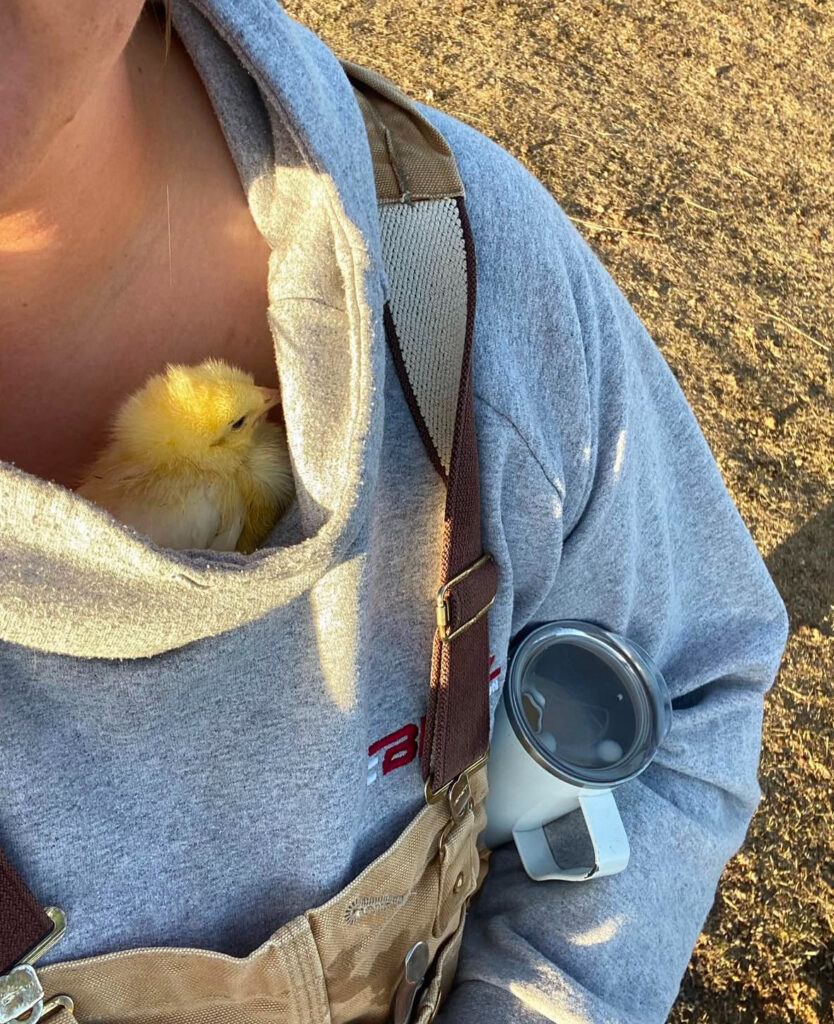
How does the animals look?
A lot of times, you will first look at an animal through photos or videos. You can gain a lot of information through that initial picture or video.
Animal Body Condition
It can be easy to see that an animal is morbidly obese or emaciated. But I do recommend getting your hands on the animal if you can. It is hard to tell the body condition of the animals just by looking. Before you go look at an animal, research “body condition score” for that species/breed. That will give you a better idea about the health of that animal.
Hair Coat
If the animal you are buying has hair, I would want to see full hair coverage. No patchiness or thinning. You want the hair to look smooth and ideally shiny. Hair coats that are patchy, rough looking, thinning, can be indicators of parasites (internal or external) or mineral deficiency.
Feathers
If you are purchasing a feathered animals, you want to see shiny, smooth feathers. That indicates to me that they are getting proper nutrition.
Missing feathers can be misleading as birds go through molts (natural feather loss) and lose feathers during breeding.
Feet
All the animals you are looking at should not have overgrown feet. That means long claws, hooves, nails, etc. Whether the feet are trimmed or worn down naturally, animals are require foot care.
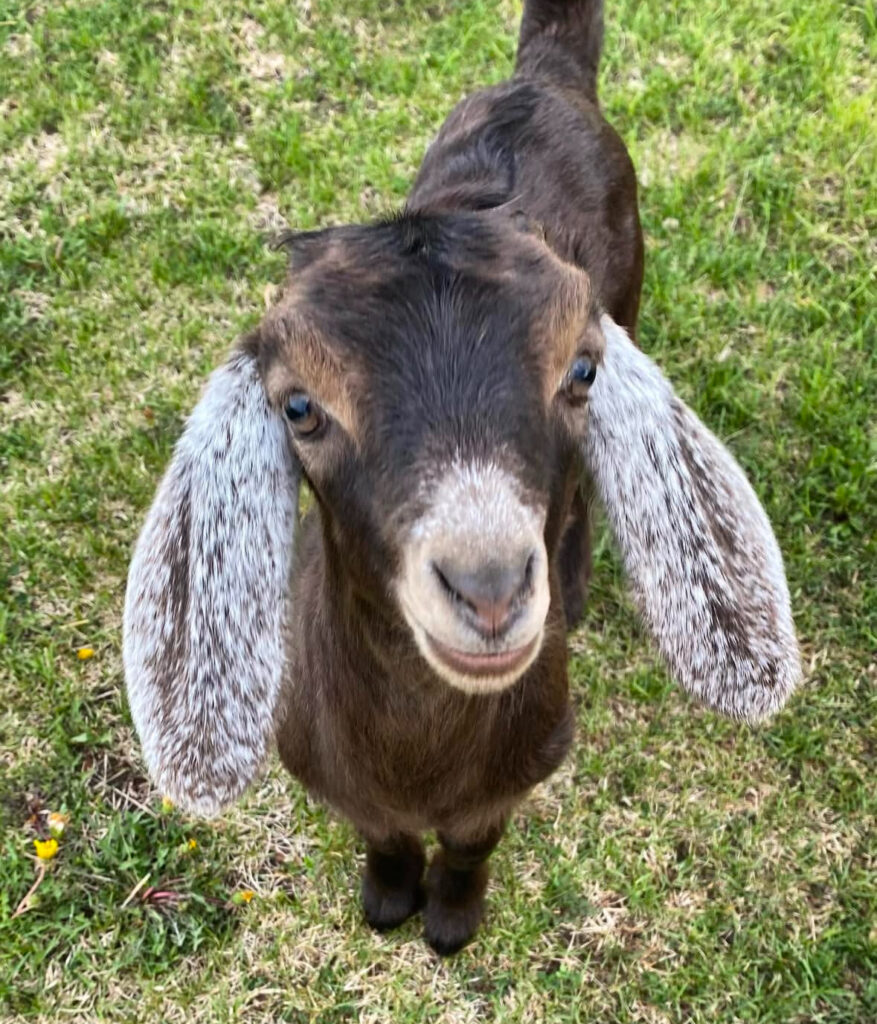
Where does the animal live?
Whether it is person, or over social media, you can get a good look at what kind of environment the animal is living in.
You don’t want a really dirty shelter, coop or pen. Poop happens a lot with animals. But you don’t want to see animals laying and eating in it. Some animals CHOOSE to eat and sleep in dirty spaces. But that should not be their only option.
Eating in heavily soiled areas can result in increased internal parasites.
Meeting the animals in person.
When meeting the animal in person, it gives you a good idea of how the animals have been raised. When going to another farm or homestead. Keep biosecurity in mind. Make sure you are not wearing your chore clothing on other properties. You do not want to bring any possible diseases from your property. And you don’t want to bring anything home with you.
Limping
Limping can be caused by a lot of different factors. A recent injury from slipping, being kicked, etc. Or from something more complicated like arthritis or infection. If you have experience with these things, ask lots of questions to differentiate the cause. If you do not not have the knowledge or expertise, I would consider not purchasing an animal that is limping until it is recovered.
How do they interact with other animals?
When I am looking at animals, I like to see animals that are pretty social. You want to see the interreacting with each other. You will see the animals head butting, pushing, pecking, etc. But that is a natural group dynamic. Nothing that is cause harm.
You don’t want an animal to be exceedingly aggressive or hiding out by itself. An animal that is aggressive will go out of their way to pick on another animal (or person). That can become a dangerous situation on your own property.
An animal that is hiding out by itself may have some underlying illnesses or injuries.
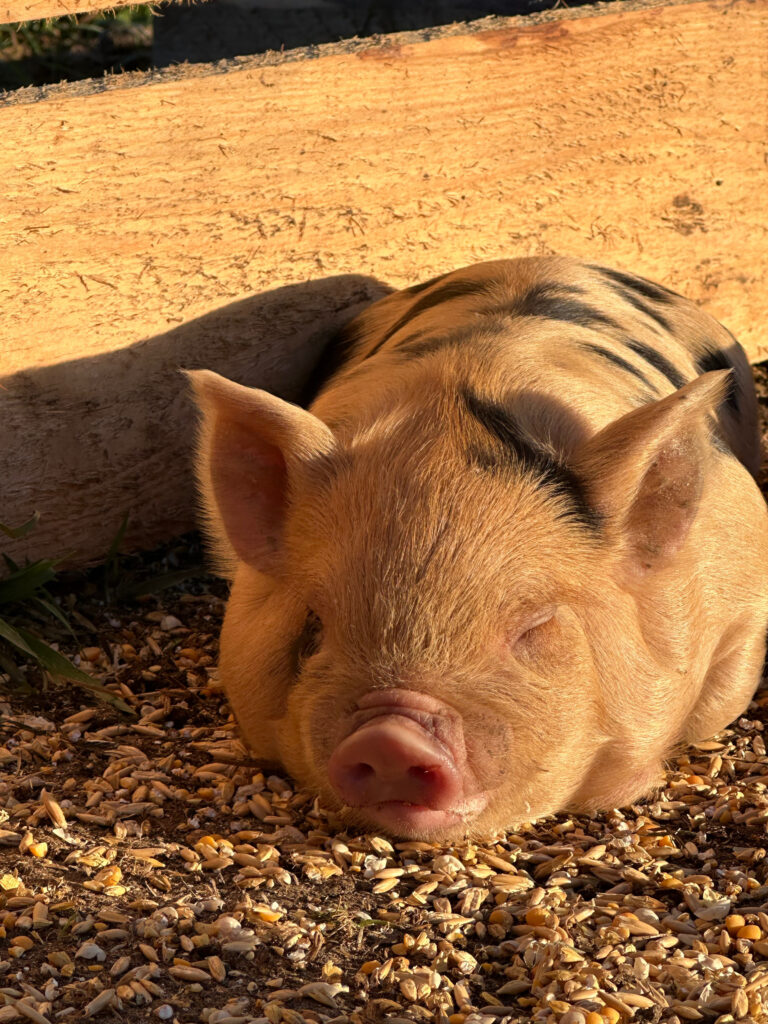
Talking with the Seller
A good seller will be very transparent about the animal they are selling. The will often show you all the information they know about the animal.
When I am selling animals, I want to show people the parents, siblings, other animals on the property. I also like to show what they are eating, where they are housed, etc.
When I am buying an animal, I prefer not to meet somewhere halfway and exchange in a random parking lot. I like to see the property where the animals was living and looking at the other animals on the property. Not just the one I am hoping to buy.
Most people do not have picture perfect fences and barns. But they have well cared for animals. I have been to a lot of places with expensive barns and fences, but their animals aren’t properly cared for.
Vaccinating and Deworming Animals
If vaccinations and deworming are important to you, make sure you ask about what they use and when they were done. If they haven’t been vaccinated or dewormed within a reasonable timeframe (check you labels or talk to your Vet), then I would recommend updating those when you get the animals home.
Isolating your new Animals
Whenever you bring a new animal onto your property, it is highly recommended to keep them isolated for 30 days.
What does it mean to isolate your animals?
Isolating your animals means, that they new animals should not be in contact at all with your original animals. That means they should not be in the same space and they should not have nose-to-nose contact.
Isolating will protect your the rest of your animals if the new animal becomes ill. Some illness could be detrimental to your homestead or small farm.
If something bad happens to the animal when you get home, what do you do?
If you will to bring an animal home and it gets sick within the first few days, I wouldn’t hesitate to contact the seller (after you consult your veterinarian). Especially if the animal has been isolated, fed, watered and housed properly. Most sellers will offer support in some sort of way.
If the animal gets injured or sick because of human error (feeding, fencing, handling, not isolating, etc), contact your veterinarian and consider letting the seller know. But I would NOT expect support.
After the isolation period is done, I would assume that any illness would be a result of my property. I wouldn’t contact the seller of any illness after the isolation period is done.
Leave a Reply